Why Choose Renewable Energy Systems for Global Buyers?

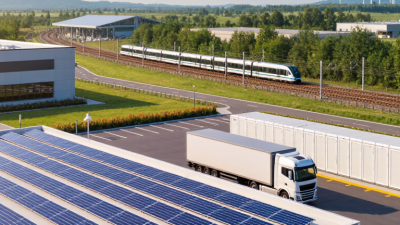
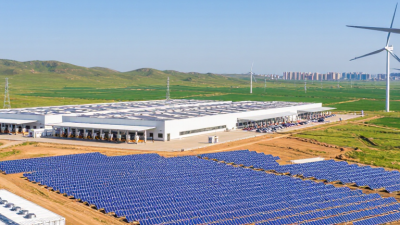
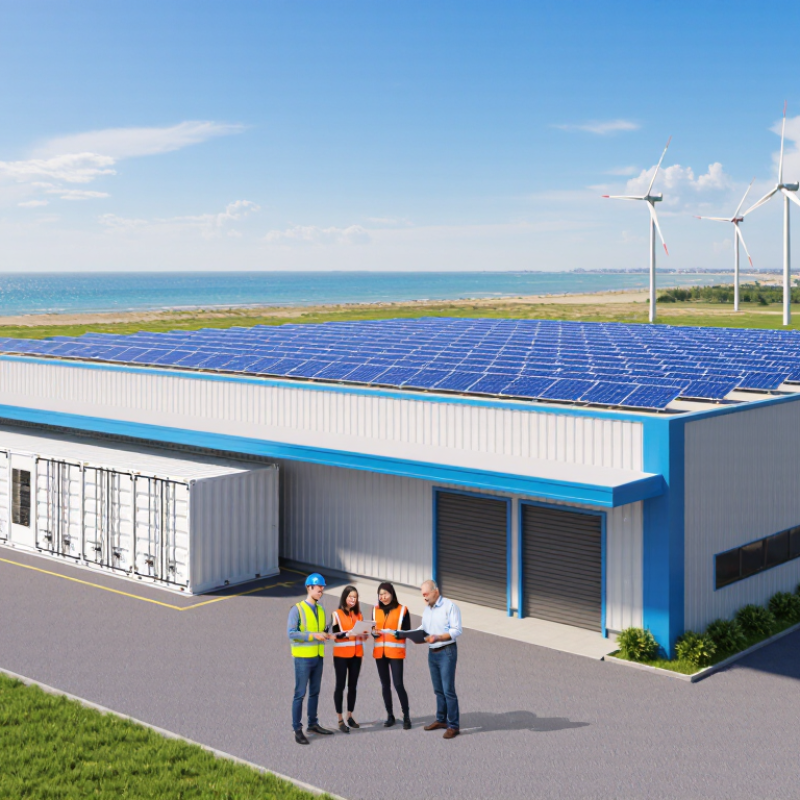
For global buyers, renewable energy systems are becoming practical tools for managing energy costs, resilience, and carbon objectives. A solar array above a warehouse, paired with battery storage, can reduce daytime grid demand and protect essential operations during brief outages. In coastal regions, wind systems may provide steadier generation, while hybrid projects can balance seasonal changes. The right choice depends on local sunlight, wind patterns, grid quality, land access, and maintenance capacity. Conditions matter.

Experienced procurement teams assess more than equipment prices. They review performance data, supplier experience, installation records, warranty terms, spare-part availability, and end-of-life plans. Independent testing and recognized standards, including relevant IEC and ISO requirements, can support safer and more comparable decisions. Local engineers should verify structural loads, electrical compatibility, fire protection, and environmental conditions before contracts are signed. These checks create evidence, not assumptions.

Yet renewable projects are not automatically simple or risk-free. Forecasts may miss dust, extreme heat, cloudy seasons, or unexpected grid restrictions. A battery that performs well in a temperate factory may degrade faster in a hot, poorly ventilated site. Buyers should request transparent calculations, realistic degradation rates, and clear responsibility for repairs. Some early estimates may be wrong. That is worth admitting. Careful buyers compare independent data, consult qualified professionals, and choose suppliers willing to explain limitations. With disciplined planning, renewable energy systems can deliver measurable value while supporting more resilient and responsible global energy procurement.
Why Choose Renewable Energy Systems for Global Buyers?

What Renewable Energy Systems Are and How They Work

Renewable energy systems convert naturally replenished resources into usable electricity or heat. Solar photovoltaic panels change sunlight into direct-current electricity. An inverter then converts it into alternating current for buildings and equipment. Wind systems use moving air to rotate blades and drive a generator. Hydropower uses flowing water, while geothermal systems draw heat from beneath the ground.

The process depends on several connected parts. A controller manages power flow, and batteries store electricity for later use. A grid-connected system can send excess energy to the utility network, subject to local rules. An off-grid system needs larger storage and careful load planning. In real projects, engineers study sunlight, wind speed, soil conditions, roof strength, and daily consumption before selecting equipment. Small details matter.

Performance is never perfectly constant. Clouds reduce solar output. Calm weather stops wind generation. Batteries also lose capacity over time. It is not always simple. Global buyers should check tested performance data, electrical safety certifications, installation standards, maintenance access, and warranty terms. Independent technical inspection can reveal weak wiring, poor ventilation, or unrealistic production estimates. I have seen project plans focus heavily on equipment prices while overlooking transport, replacement parts, and local technician training. That approach may reduce the purchase cost, but it can increase operating problems later. A reliable system matches the resource, the building, and the people who will maintain it.

Why Global Buyers Are Turning to Renewable Energy

Global buyers are turning to renewable energy because energy decisions now affect cost, continuity, and reputation.

A factory manager may see this during a hot afternoon, when rooftop panels reduce grid demand and backup systems stay idle. Solar, wind, small hydro, and battery storage can reduce exposure to volatile fuel markets. They can also support emissions reporting requested by customers and regulators. Yet renewable projects are not automatic savings. Performance depends on sunlight, wind patterns, equipment quality, grid rules, and maintenance.

Experienced buyers often begin with twelve months of electricity bills and an independent site assessment.

They compare generation forecasts with actual load curves, not attractive headline figures. A cold warehouse may need power at night, while solar production peaks at midday. Batteries can narrow that mismatch, but replacement cycles and safety standards must enter the financial model.

Buyers should check warranties, spare-part access, installer qualifications, local permits, and end-of-life plans. These details often decide whether a project works beyond its launch year.

Renewable systems can improve resilience, but cloudy weeks and delayed approvals remain possible. Staff training is sometimes treated as an afterthought. That weakens otherwise promising plans.

The lesson is uncomfortable, but useful for global procurement teams.

How to Compare Renewable Energy Technologies and Suppliers

Why Choose Renewable Energy Systems for Global Buyers?

Comparing renewable energy technologies requires more than reading the lowest quoted price. Start with site conditions, including sunlight, wind speed, temperature, land access, and grid stability. Fit matters. IRENA’s Renewable Power Generation Costs in 2023 reported global weighted-average electricity costs of about $0.044 per kilowatt-hour for utility-scale solar photovoltaics and $0.033 for onshore wind. These figures are useful benchmarks, not guaranteed project prices.

Supplier evaluation should cover annual energy yield, equipment degradation, warranty terms, spare-parts access, and local maintenance capacity. Request independently tested performance data and clear assumptions for financing, curtailment, transmission, and replacement costs. A supplier with a lower purchase price may create higher lifetime expenses. The IEA’s Renewables 2023 report also identified permitting, grid connection, and supply-chain constraints as major deployment challenges. Ask how each supplier handles them in your target country.

Use a levelized-cost model, but test several scenarios. Include battery replacement, insurance, recycling, currency changes, and extreme weather. Review at least three years of comparable project evidence where possible. No comparison is perfect. Data can be incomplete. A careful buyer records uncertainty instead of hiding it, then checks the supplier’s claims against independent engineering reviews, local regulations, and actual operating results.

What Costs, Policies, and Market Factors Influence Purchasing

Renewable energy purchasing is shaped by more than panel or turbine prices. Buyers should compare total lifecycle cost, including installation, land preparation, insurance, maintenance, and replacement parts. A low quotation may hide expensive grid upgrades or battery integration. Financing also matters. Higher interest rates can weaken an otherwise attractive project.

Policies can change the calculation quickly. Import duties, tax incentives, renewable auctions, and local-content rules affect final costs. Some governments offer stable contracts, while others revise support schemes after elections. Buyers should check permitting timelines, interconnection rules, and environmental requirements before signing. Currency movements deserve attention too. A project paid in one currency may earn revenue in another.

Market conditions influence availability and delivery. Limited transformer capacity can delay commissioning for months. Shipping disruptions may increase equipment prices without warning. Experienced buyers request performance guarantees, realistic degradation assumptions, and clear warranty terms. They also review the supplier’s installation record and local service capability. A spreadsheet can look convincing, yet its forecast may depend on perfect sunlight, steady demand, and unchanged policy.

No forecast is clean. Buyers should test weaker scenarios, such as lower generation, delayed permits, rising borrowing costs, or reduced electricity prices. Independent technical and legal reviews add confidence, especially for cross-border purchases. The most reliable decision balances upfront cost with long-term resilience, compliance, and measurable operating performance.

How to Plan, Install, and Manage a Renewable Energy System

Why Choose Renewable Energy Systems for Global Buyers?

Planning begins with the load, not the equipment catalogue. Measure hourly demand, seasonal peaks, backup needs, and local grid quality. A factory may need steady power at 2 p.m., while a remote clinic needs storage after sunset. The International Energy Agency reported 510 gigawatts of renewable capacity additions in 2023, nearly 50% above 2022. This growth improves options, but it does not remove site-specific risks.

Installation requires practical coordination. Confirm roof strength, land drainage, cable routes, fire access, and local permits before delivery. Ask engineers to model shading, temperature losses, battery cycles, and cloudy-week performance. The International Renewable Energy Agency reported that 81% of renewable power projects commissioned in 2023 produced electricity below the cost of new fossil-fuel alternatives. Cost alone is not enough. A cheaper system can fail financially when spare parts, training, or grid upgrades are ignored.

Management continues after commissioning. Track energy yield, battery temperature, inverter alarms, and cleaning schedules through verified meters. Compare actual output with the original model each month. Small differences matter. The system may underperform because dust, heat, or weak maintenance was underestimated. IEA analysis also shows that grid flexibility and storage are increasingly important as renewable penetration rises. Buyers should reserve maintenance budgets, define response times, and document every repair. Remote monitoring helps, but local technicians remain essential. I would not promise perfect payback; weather, regulation, and financing can change the result. Planning should leave room for revision.

Why Choose Renewable Energy Systems for Global Buyers?

Global renewable power capacity reached approximately 3,855 GW in 2023. Solar and hydropower represented the largest installed capacity segments, while wind power continued to provide a major source of scalable clean electricity.

Planning should consider local solar or wind resources, grid conditions, storage requirements, installation costs, and long-term maintenance. These global capacity figures provide context for comparing renewable technologies before selecting and managing a system.