How to Choose the Right Off Grid Energy Systems for Your Needs?
Choosing the right off grid energy systems can be daunting. Experts like Dr. Emily Carter, a leading authority in sustainable energy, emphasize the importance of making informed choices. She once said, "The key to successful off grid living is understanding your energy needs."
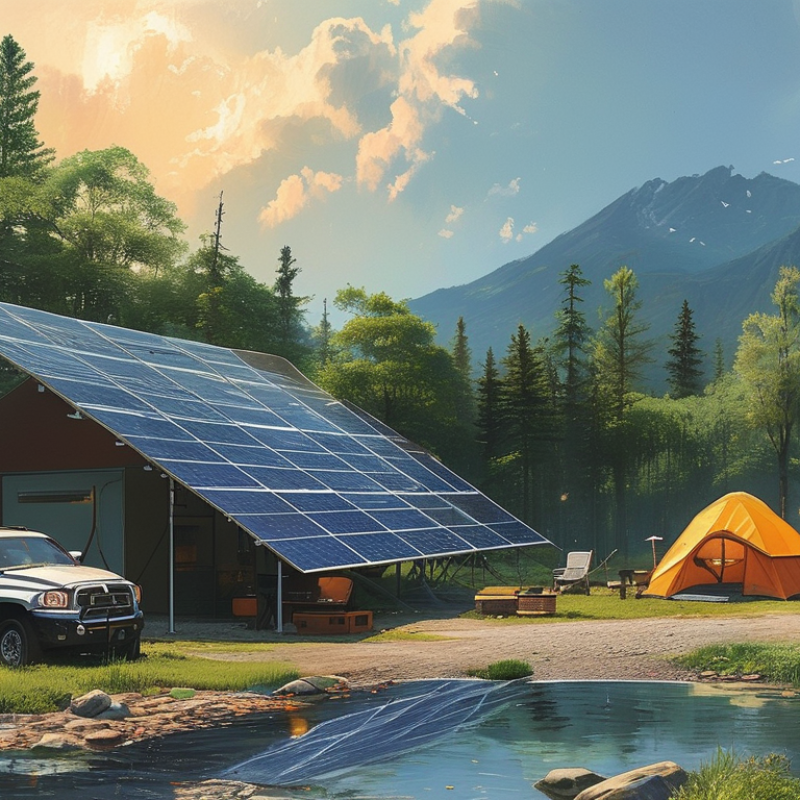
When considering off grid energy systems, you should assess your lifestyle. Are you a weekend camper, or do you plan to live off grid full-time? Your energy consumption will vary significantly based on your needs. This requires careful evaluation of appliances and daily usage patterns.
Don’t overlook the available technologies. Solar, wind, and hydro systems offer diverse solutions. Each system has its pros and cons, and there's no one-size-fits-all answer. Sometimes, combining systems can provide a more reliable energy source. As you explore your options, reflect on the long-term implications of each choice.
Understanding Off Grid Energy Systems: An Overview
Off-grid energy systems provide independence from traditional power sources. They harness renewable resources like solar, wind, and hydro. This approach benefits those seeking sustainability. Understanding different types is crucial for making informed decisions.
There are various systems available today. Solar panels convert sunlight to electricity. Wind turbines capture wind energy. Hydro systems utilize water flow for power generation. Each system has unique requirements and benefits. For instance, solar might be ideal in sunny areas, while wind works better in open spaces.
Choosing the right system depends on specific needs. Energy requirements, location, and budget play significant roles. Do thorough research to find what suits you best. Consider maintenance, lifespan, and efficiency too. Sometimes, combining systems yields better results. The journey to off-grid living can be complex, but the rewards are substantial.
Off Grid Energy Systems Comparison
This chart compares the daily energy output of various off grid energy systems. Each system varies in its efficiency and usage depending on location, resources, and setup. Solar power dominates in sunny areas, while hydro systems are more prevalent in regions with flowing water.
Assessing Your Energy Needs and Consumption Patterns
When considering off-grid energy systems, understanding your energy needs is essential. A 2022 report by the U.S. Department of Energy states that the average American household consumes about 877 kWh per month. However, this varies widely depending on location and size of home. Assessing your consumption patterns can help identify your specific requirements.
Start by tracking your daily energy usage. Use a simple energy monitor to gauge how much power appliances consume. For instance, a refrigerator might use 150 kWh monthly, while lighting could be around 50 kWh. Recognizing peak usage times and seasonal variances is also crucial. A significant number of off-grid systems fail due to poor assessment of energy needs.
Evaluate the natural resources available to you, as well. If you live in a sunny area, solar panels may be more effective. Wind power might suit locations with high average wind speeds. According to the Global Wind Energy Council, wind capacity installations grew by 12% in 2021, reflecting a rising interest in diverse energy solutions. Adjust your expectations and be mindful of potential limitations based on your environmental conditions.
Exploring Different Types of Off Grid Energy Solutions
When exploring off-grid energy solutions, understanding the options available is crucial. Solar power systems are among the most popular choices. Reports indicate that solar installations have increased by 20% globally annually since 2010. They are versatile and can power homes, cabins, or RVs.
Wind energy is another effective solution. Small wind turbines can generate power in areas with consistent wind patterns. According to the American Wind Energy Association, small wind systems can produce 400 to 1,000 kWh annually for an average home. This can significantly reduce electricity costs.
**Tip:** Assess your local climate and energy needs before choosing a system. Factors like average sunlight hours or wind speed can determine the efficiency of your chosen solution.
Another option is micro-hydro systems. They utilize flowing water to generate energy. Research shows that micro-hydro can deliver consistent power, particularly in rural areas with access to streams or rivers. However, installation can be complex and requires regulatory approval.
**Tip:** Factor in upfront costs and long-term savings. While some solutions may seem expensive initially, consider their lifespan and maintenance needs.
Choosing the right off-grid energy system can be overwhelming. Each option has its advantages and challenges. Reflection on personal energy habits and local resources can lead to more informed decisions.
How to Choose the Right Off Grid Energy Systems for Your Needs?
| Energy System Type |
Initial Cost (USD) |
Maintenance Cost (Annual, USD) |
Average Lifespan (Years) |
Energy Output (kWh/year) |
Ideal Use Case |
| Solar Panel System |
$10,000 |
$200 |
25 |
8,000 |
Residential, remote monitoring |
| Wind Turbine |
$15,000 |
$300 |
20 |
12,000 |
Rural areas with consistent wind |
| Hydro Power |
$20,000 |
$400 |
30 |
15,000 |
Properties near running water |
| Generator |
$5,000 |
$150 |
10 |
3,500 |
Emergency power supply |
| Biomass Energy |
$8,000 |
$250 |
15 |
6,000 |
Rural agriculture settings |
Evaluating System Components: Solar, Wind, and Backup Options
When evaluating off-grid energy systems, understanding individual components is crucial.
Solar panels offer a renewable source of energy. They convert sunlight into electricity.
Consider factors such as panel efficiency and installation space. If your location receives ample sunlight, solar energy might be your primary source.
Wind energy is another viable option. Wind turbines harness the natural power of the wind.
However, installation requires significant space and may need local permits.
Evaluate wind patterns in your area. If wind is sporadic, you might not rely solely on this method.
Backup energy options are essential for reliability. Batteries store energy for use during low production times.
Diesel or gas generators can provide power during emergencies. Remember, these generators incur operational costs.
Finding the right balance among these components requires careful planning and assessment of your specific needs.
It's common to rethink initial choices as usage patterns evolve over time.
Each off-grid system can look different, depending on lifestyle and location.
Factors to Consider When Installing Off Grid Energy Systems
When considering an off-grid energy system, several factors should guide your decision. Assess your energy needs carefully. Experts recommend estimating daily usage based on appliances and their power ratings. For instance, most households require between 5kWh to 30kWh of energy per day. Understanding your requirements is essential for selecting adequate solar panels or wind turbines.
Location plays a critical role in optimizing energy systems. Solar energy generation depends on sunlight hours. In areas with fewer sun days, you may need a larger solar array. Research shows that places with average solar radiation of 4 to 6 kWh/m² per day can efficiently utilize solar setups. Wind energy is another option, but its effectiveness highly relies on wind speed. A location with consistent winds above 10 mph is ideal for wind generators.
Tips: Diversifying energy sources can enhance reliability. Combining solar and wind may yield better results. Always account for storage solutions, too. Battery systems typically have varying lifespans and charge cycles. Lithium-ion batteries offer longer life but come at a higher initial cost. Evaluate initial investments against long-term savings. Lastly, consult local regulations and expert recommendations to ensure a sustainable setup. Each choice has its trade-offs. Prioritize your needs wisely.