2026 Best Home Energy Systems for Global Buyers?
As the world increasingly prioritizes sustainability, home energy systems are gaining traction among global buyers. According to a recent report by the International Energy Agency, energy efficiency in homes could provide up to 40% of the potential emissions reductions needed by 2030. This statistic underscores the critical role that these systems play in mitigating climate change.
Home energy systems, which include solar panels, energy storage solutions, and smart home technologies, are becoming essential for modern living. A market analysis by Bloomberg New Energy Finance predicts that the global energy storage market will grow to $620 billion by 2040. This reflects a growing recognition of the importance of integrating renewable energy sources into daily life.
However, challenges remain. Many consumers are unsure about the initial costs and long-term savings associated with these systems. It is crucial to provide clear information to guide buyers. Additionally, not all energy systems perform equally in different climates. This variation necessitates thorough research and personalized assessments. Balancing innovation and practicality is vital in making informed decisions in this evolving market.
2026 Overview of Home Energy Systems: Trends and Innovations
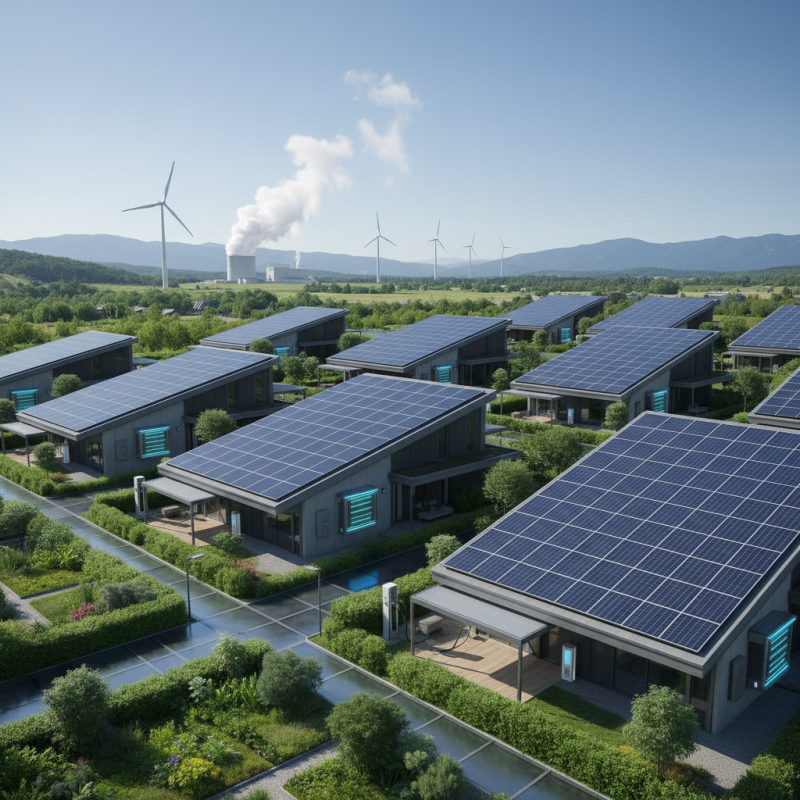
The landscape of home energy systems is evolving rapidly. As more homeowners seek sustainability, innovative technologies are emerging. In 2026, we will see a broad shift toward integrated solutions that combine solar power, energy storage, and smart grid technology. These systems allow users to optimize energy consumption while minimizing costs.
Smart thermostats and sensors will play a significant role in this transformation. They can adjust heating and cooling based on daily habits. This not only boosts efficiency but also enhances comfort. However, reliance on technology can backfire. A power outage or system malfunction may disrupt the benefits.
Another trend is the rise of community energy systems. These systems enable neighbors to share energy resources. While this fosters collaboration, it also raises questions about fairness and accessibility. Some households may benefit more than others. Balancing these interests will be crucial as these systems gain popularity.
Key Energy Sources for Homes: Solar, Wind, and Geothermal Options
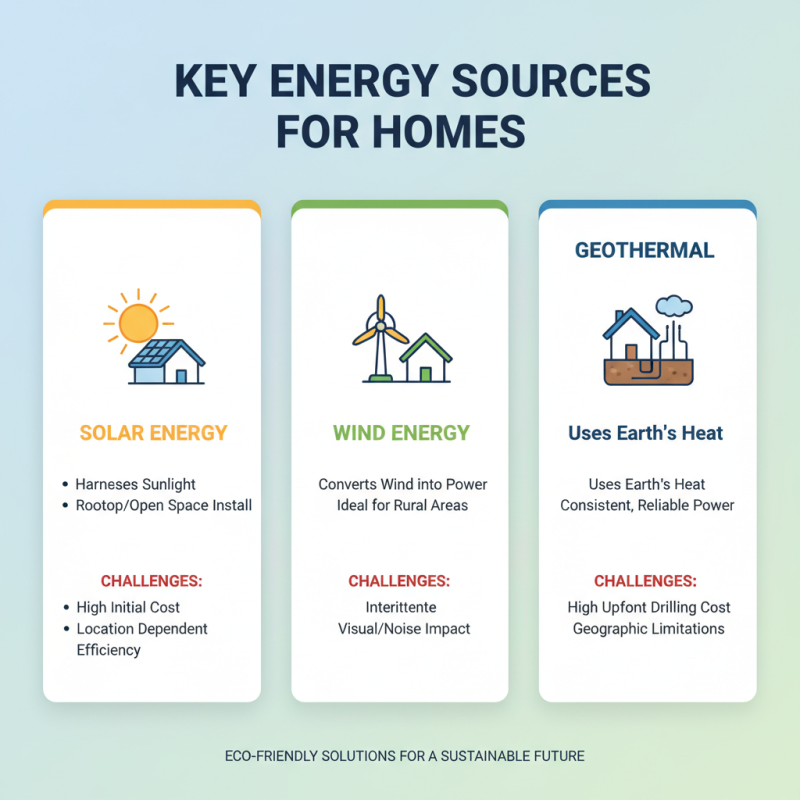
As homeowners explore eco-friendly solutions, three energy sources stand out: solar, wind, and geothermal. Each option has its unique benefits and challenges. Solar energy harnesses sunlight, turning it into usable power. It's versatile and can be installed on rooftops or in open spaces. However, initial costs can be high, and efficiency varies by location.
Wind energy generates power through turbines. It’s efficient in open regions with consistent winds. Yet, the noise and visual impact of turbines may be a concern for some homeowners. Geothermal systems tap into the Earth's heat, providing stable temperatures year-round. They are reliable but require significant upfront investment and proper site assessment.
Tips: Consider your local climate when choosing a system. Solar may shine bright in sunny areas, while geothermal is ideal in regions with significant temperature fluctuations. Always consult with professionals to assess feasibility and costs before making a decision. Collect data on energy consumption to help determine the right solution for your home. Each option has potential drawbacks, and understanding these can guide sharper choices.
Cost-Benefit Analysis of Home Energy Systems: Maximizing ROI
Investing in home energy systems requires careful consideration of costs and benefits. Homeowners often underestimate installation and maintenance expenses. The initial costs can be daunting but potential savings can be significant over time. Understanding your local energy rates and incentives is crucial. Some regions offer financial assistance, improving the return on investment.
Energy efficiency upgrades, like better insulation or updated HVAC systems, can lead to lower energy bills. However, not every system provides the same payback. It’s essential to analyze energy use patterns in your home. Tailoring solutions to your specific needs can enhance savings. For instance, a solar system may yield high returns in sunny areas but less so in cloudy climates.
Home energy systems can also contribute to property value. However, not every installation guarantees an increase. Homeowners should seek advice from energy experts to ensure sound investments. Reflecting on both short-term and long-term goals is necessary. Balancing immediate savings with sustainable practices may require compromise, but it is essential for valuable decision-making.
2026 Best Home Energy Systems Cost-Benefit Analysis
This chart illustrates the investment costs and potential annual savings of various home energy systems in the year 2026. It provides a clear cost-benefit analysis for homeowners considering renewable energy investments.
Environmental Impact of Home Energy Solutions: Reducing Carbon Footprint
The environmental impact of home energy solutions is increasingly critical. More homeowners are seeking ways to reduce their carbon footprint. Renewable energy systems, such as solar panels and wind turbines, offer significant benefits. Installing these systems can dramatically cut greenhouse gas emissions. They create cleaner energy alternatives, helping to combat climate change.
However, transitioning to such systems is not always straightforward. Many people face challenges like costs and installation processes. Some may struggle to understand how to integrate these technologies effectively. Moreover, the production of solar panels can have environmental drawbacks. An honest assessment is essential; while these technologies reduce emissions post-installation, their manufacturing may contribute to pollution.
Energy efficiency in homes is also key. Upgrading insulation and using energy-efficient appliances helps minimize energy consumption. Small changes lead to big impacts over time. Many homeowners overlook the potential of simple adjustments. Reflecting on these choices is critical for a sustainable future. The journey toward greener living requires ongoing commitment and adaptation. It’s about progress, not perfection.
Regulatory Landscape for Home Energy Systems: Incentives and Standards
The regulatory landscape for home energy systems is evolving rapidly. Incentives and standards play a crucial role in shaping this market. According to a 2022 report by the International Energy Agency, over 30 countries now have specific regulations that support renewable energy installations in homes. These standards aim to lower greenhouse gas emissions and promote energy efficiency.
In the United States, over 70% of states offer some form of incentive for home solar systems. However, the application process can be complicated. Homeowners often face bureaucratic hurdles, which can be discouraging. Understanding local regulations is essential for maximizing these benefits.
Tip: Always check your local regulations before investing in home energy systems. Research available tax credits or rebates. These can significantly reduce initial costs. Another tip is to seek expert advice. Professional assessments can inform you about the best systems for your home, considering local incentives. These steps enhance your investment's reliability and effectiveness.