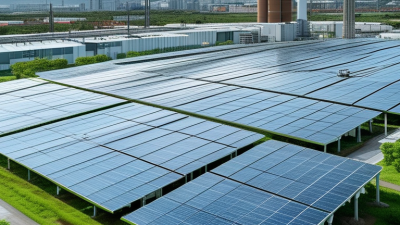
Global buyers are looking beyond product price. They are examining energy security, operating costs, emissions data, and supply-chain resilience. Green energy technology now influences decisions across factories, offices, transport networks, and public infrastructure. A solar array on a warehouse roof, a battery beside a charging station, or a heat pump in a coastal hotel can change daily operations.
The stakes are practical. Reliable renewable systems can reduce exposure to volatile fuel markets and support long-term planning. However, performance depends on local sunlight, grid conditions, maintenance skills, financing, and responsible sourcing. A technology that works well in Germany may need different storage or installation strategies in Kenya. Buyers should request verified efficiency figures, warranty terms, lifecycle data, and clear evidence of after-sales support. Green labels alone are not enough.
Fatih Birol, Executive Director of the International Energy Agency, said, “The clean energy transition is happening worldwide and it's unstoppable. It's not a question of ‘if’, it's only a matter of ‘how’ and ‘when’—and the sooner the better for all of us.” His statement reflects market momentum, but it should not replace careful evaluation. Some promises still outrun evidence. Costs can be underestimated. Recycling challenges remain. Even so, informed buyers can reward durable solutions and push suppliers toward greater transparency. This article explores why green energy technology matters globally, where its value is clearest, and which questions buyers should ask before signing a contract. The transition is real. It is also unfinished.
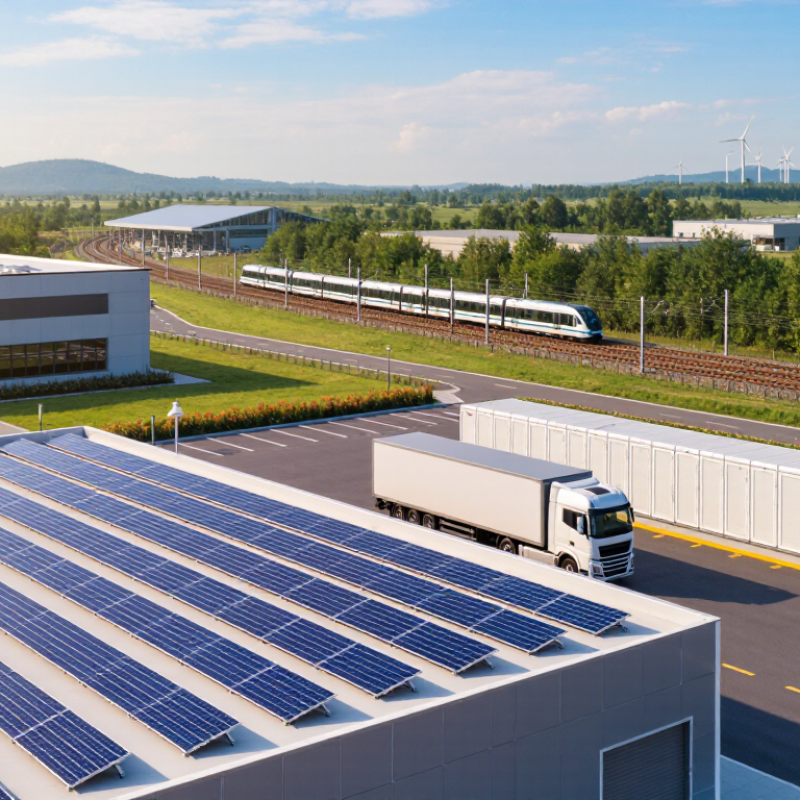
Green energy technology converts naturally replenished resources into usable power. Solar panels turn sunlight into direct current electricity. An inverter changes it into alternating current for buildings and power networks. Wind turbines use moving air to rotate generators. Hydropower captures flowing water through turbines. The equipment looks simple from a distance. The engineering is not.
Modern systems also depend on batteries, forecasting software, and flexible grids. Batteries store surplus solar power at noon, then release it after sunset. Smart controls match electricity demand with changing weather conditions. The International Energy Agency reported that renewable capacity additions reached about 510 gigawatts in 2023, nearly double the annual level from five years earlier. Solar power supplied most of that growth. However, capacity is not the same as constant output. A wind farm can produce less during calm hours.
Global buyers should examine the complete energy system, not only panel efficiency or turbine size. The International Renewable Energy Agency recorded 473 gigawatts of renewable capacity added in 2023, showing strong investment but also different reporting methods. Grid connection, maintenance access, recycling, and local climate performance affect real results. A coastal installation may need stronger corrosion protection. A dusty site may lose output without regular cleaning. Costs can still rise unexpectedly. The technology is improving, but supply chains and transmission lines remain weak points, as noted in the IEA’s Electricity 2024 analysis. That gap deserves honest attention.
Global buyers are shifting toward clean energy solutions for practical reasons. Energy prices can change quickly, while carbon reporting requirements are becoming stricter. Solar systems, battery storage, heat pumps, and efficient industrial equipment can reduce exposure to these pressures. They also support more predictable operating costs.
Costs still matter.
A careful buyer examines more than a product’s advertised efficiency. They review lifecycle emissions, material durability, repair access, and performance in local weather. Independent test results and clear maintenance records strengthen confidence.
A warehouse manager may compare battery output during a cloudy week, not only under ideal laboratory conditions.
Performance varies.
Local grid conditions also affect the real environmental benefit.
Clean technology is not automatically risk-free. Mining, shipping, replacement parts, and end-of-life disposal can create hidden impacts. This is where credible suppliers should provide traceable data, realistic warranties, and measurable performance targets.
Buyers can request third-party verification and check whether service teams are available nearby. A lower purchase price may become expensive when parts arrive slowly or technicians lack training.
The transition is necessary, but it is not perfectly clean.
Procurement decisions still need skepticism, transparent evidence, and room to correct early assumptions.
Global buyers are investing in green energy technologies to reduce emissions, strengthen energy security, and control long-term operating costs. However, each market has different resources, regulations, grids, and financing conditions. Conditions vary sharply.
Solar photovoltaic systems suit regions with strong sunlight and flexible land use. They can power factories, warehouses, and remote facilities. Wind turbines serve coastal areas, plains, and offshore zones with steady air movement. Hydropower offers dependable electricity where rivers and reservoirs support responsible development. Geothermal systems provide stable output in suitable volcanic or tectonic regions. Their potential is powerful, but not universal.
Battery storage helps balance solar and wind production when demand rises after sunset. Green hydrogen may support shipping, steelmaking, and other difficult industrial applications. Smart grids connect these sources with sensors, forecasting tools, and responsive demand systems. Storage changes everything. Yet buyers should examine battery life, mineral sourcing, recycling plans, and grid compatibility before signing contracts. A technology that looks efficient on paper may underperform in a dusty climate or a weak transmission network. Not always.
Experienced procurement teams compare full lifecycle costs, maintenance skills, local workforce needs, and supplier transparency. They also request measurable performance data, safety documentation, environmental assessments, and realistic delivery schedules. Independent testing can reveal gaps between advertised capacity and daily output. Public incentives may change, creating financial risk for careless planning. Practical pilot projects often provide stronger evidence than ambitious projections, although pilots can still hide seasonal problems.
| Technology Type | Global Installed Capacity (End of 2023) |
Capacity Added in 2023 | Primary Energy Source | Typical International Applications | Key Buyer Considerations | Market Relevance |
|---|---|---|---|---|---|---|
| Solar Photovoltaic | Approximately 1,419 GW | Approximately 345 GW | Sunlight converted directly into electricity | Utility-scale power plants, commercial rooftops, residential systems, off-grid electrification | Module efficiency, degradation rate, temperature performance, local certification, logistics, and recycling requirements | The largest source of new renewable power capacity added globally in 2023 |
| Wind Power | Approximately 1,017 GW | Approximately 117 GW | Kinetic energy of onshore and offshore wind | Large onshore wind farms, offshore projects, industrial power supply, renewable electricity contracts | Wind-resource quality, turbine size, grid connection, transport infrastructure, noise limits, and permitting timelines | A major source of dependable large-scale renewable generation, especially in regions with strong wind resources |
| Hydropower | Approximately 1,265 GW | Approximately 7 GW | Movement of water through rivers and reservoirs | Grid-scale electricity, storage through pumped hydropower, rural electrification, system balancing | Hydrology, construction conditions, ecosystem impact, social safeguards, water rights, and long project lead times | The largest renewable electricity source by cumulative installed capacity and an important flexibility resource |
| Bioenergy | Approximately 143 GW | Approximately 4 GW | Organic materials, agricultural residues, biogas, and sustainable biomass | Combined heat and power, renewable fuels, waste-to-energy, industrial boilers, and dispatchable electricity | Feedstock availability, sustainability certification, transport costs, air-quality controls, and lifecycle emissions | Useful where agricultural, forestry, or municipal waste streams can provide reliable local feedstock |
| Geothermal Energy | Approximately 15 GW | Approximately 0.2 GW | Heat from the Earth’s interior | Baseload electricity, district heating, industrial process heat, greenhouse heating | Geological conditions, exploration risk, drilling costs, resource temperature, and water management | Provides relatively stable renewable output in countries with suitable underground heat resources |
| Green Hydrogen and Power-to-X | Commercial capacity remains limited and project-specific | Early-stage global deployment; no universally comparable installed-capacity statistic | Renewable electricity used in water electrolysis | Fertilizer, steel, shipping fuels, heavy transport, seasonal energy storage, and industrial heat | Electricity price, electrolyzer efficiency, water availability, storage, transport, safety, and certification of renewable origin | Important for decarbonizing sectors that are difficult to electrify directly, but infrastructure and standards are still developing |
Data note: Global installed-capacity and 2023 addition figures are rounded estimates based on renewable capacity statistics published by the International Renewable Energy Agency (IRENA) in 2024. Green hydrogen is shown separately because its global project capacity is not yet reported through a single standardized capacity series comparable with power-generation technologies.
Global buyers now assess green energy technology through three practical lenses: cost, performance, and environmental benefit. A low purchase price can hide installation delays, replacement parts, or difficult maintenance. Experienced buyers request a five-year ownership estimate, not just a supplier’s headline figure. They compare energy output under local sunlight, wind, temperature, and grid conditions. Real sites rarely match laboratory results. That gap deserves careful attention.
Performance evidence must be specific and verifiable. Buyers examine tested efficiency, expected service life, warranty terms, and output records from comparable projects. They also ask who collected the data and how often equipment was inspected. A technology may perform well in a dry climate but struggle with dust, humidity, or unstable power networks. Independent testing adds confidence, although it does not remove every risk. Numbers can still be selected too carefully.
Environmental benefits require more than a low-emission label. Buyers consider material sourcing, production energy, transport distance, repairability, and end-of-life recovery. A project that reduces operating emissions may still create avoidable waste during replacement. Procurement teams increasingly request lifecycle assessments and documented compliance records. In practice, data quality varies between suppliers, and some claims remain difficult to compare. A cautious buyer may choose a slightly costlier system with clearer evidence and simpler maintenance. That choice is not always perfect. It is more defensible.
Buyers typically compare delivered electricity cost, operating performance, and lifecycle environmental impact before selecting a green energy technology.
Lower LCOE improves cost competitiveness, higher capacity factor indicates stronger generation performance, and lower lifecycle emissions support environmental targets. LCOE figures are 2023 global weighted averages for renewable technologies reported by IRENA; capacity-factor figures are representative 2023 benchmarks from the U.S. Energy Information Administration; lifecycle-emission medians are based on IPCC assessment data.
Green energy technology matters because its effects extend beyond cleaner electricity. It reshapes prices, jobs, infrastructure, and international trade.
When solar modules, batteries, and wind equipment enter global markets, buyers also influence mining, manufacturing, transport, and recycling. That changes purchasing decisions.
In supplier reviews, buyers increasingly examine energy use, labor conditions, mineral sourcing, and delivery resilience. Reliable evidence matters more than attractive claims. Independently checked emissions data can reveal whether a product truly reduces environmental impact.
Critical minerals remain a concern. Their extraction can create pollution, social tension, and unstable pricing. A delay at one port may affect factories thousands of miles away. Regional processing can reduce this risk, but it may increase short-term costs.
The economic picture is uneven. Clean energy projects can create technical jobs and strengthen local industries, yet they may also pressure older sectors and workers. Some manufacturers overestimate demand, while others struggle with grid connections and changing regulations.
The transition is not perfectly planned. Buyers should question forecasts and compare full lifecycle costs, including maintenance, insurance, storage, and end-of-life treatment. A cheaper component may become expensive after repeated failures or difficult recycling.
Better procurement links verified supplier information with practical site experience. It also leaves room for correction, because emissions figures, shipping conditions, and resource availability can change. Reliable global supply chains require patience, transparent records, and decisions that remain defensible under scrutiny.