Top 10 Tips for Choosing Renewable Energy Systems for Your Business?
Choosing renewable energy systems for your business is a significant decision. It impacts sustainability, costs, and brand image. The right system can drastically enhance your operations. However, the variety of options available can be overwhelming.
Understanding your unique needs is essential. Different businesses have distinct energy requirements. A careful assessment can prevent costly mistakes in the future. You may find that what works for one company does not suit another. Also, some systems might need more maintenance than you anticipate. It’s vital to consider these factors when selecting renewable energy systems.
Embracing renewable energy can lead to numerous benefits. Yet, it requires informed choices and thorough planning. Utilizing expert insights will guide you toward the best solution. Stay open to adjusting your approach based on the insights you gather. This openness can lead to great rewards. Balancing efficiency and sustainability can be a challenging process. However, with the right knowledge, you can make impactful decisions.
Understanding Your Business's Energy Needs and Goals
Understanding your business's energy needs is crucial when selecting renewable energy systems. Start by evaluating your current energy consumption. Analyze utility bills over the past year. Identify peak usage times and patterns. This data can reveal how much energy you truly need and when.
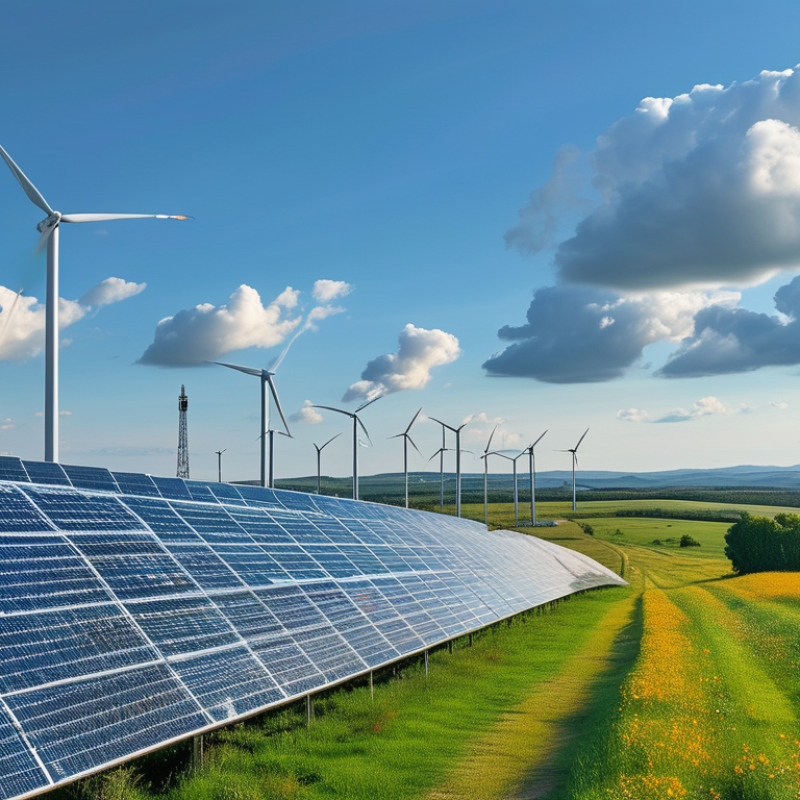
Set clear goals for your renewable energy investment. Do you aim for cost savings, sustainability, or energy independence? Consider your location, too. Solar panels may be a great choice if you have abundant sunlight. Wind turbines can be ideal if you're in a breezy area. Since not all businesses are the same, tailor your strategy to fit your unique situation.
You may find that standard solutions don't quite meet your needs. Customization is often required. Explore options like hybrid systems that combine different energy sources. Engage with renewable energy experts to help clarify your path. Some businesses face setbacks during the transition. Learn from these challenges and adjust your plans accordingly. Always be ready to reassess your approach as technology and your needs evolve.
Evaluating Different Types of Renewable Energy Sources
When evaluating renewable energy sources for your business, it's essential to understand the available options. Solar power is increasingly popular due to its adaptability. It can be installed on rooftops or incorporated into existing structures. Wind energy, on the other hand, can be a great choice if your location has consistent wind patterns. Small wind turbines can work well for businesses with ample outdoor space.
Another important source is biomass energy. This relies on organic materials and can reduce waste while generating power. However, sustainability is crucial; over-reliance on certain materials can lead to negative environmental impacts. Hydropower may also be a viable option, provided your business has access to flowing water. This method is highly reliable, though it requires significant upfront investment.
Identifying the right type depends on specific needs and site conditions. Each energy source has its pros and cons to consider. Regular assessments of energy consumption can help make informed choices. Engage with local experts who can provide specific recommendations based on your area's resources. Making hasty decisions can lead to inefficiencies and wasted potential. Ensuring that your renewable energy system aligns with your business goals is vital for long-term success.
Top 10 Tips for Choosing Renewable Energy Systems for Your Business
This chart illustrates the comparison of different renewable energy sources based on their efficiency, cost-effectiveness, and environmental impact. The values represent a hypothetical evaluation of these factors for each energy type.
Assessing Costs and Financial Incentives for Adoption
When considering renewable energy systems, understanding costs is vital. Start with an energy audit. This helps identify the most effective solution for your business. Look at installation costs carefully. Some systems require higher initial investments than others. However, those costs can often be offset over time.
Financial incentives also play a crucial role. Check local and federal programs offering grants or tax credits. These can significantly reduce upfront expenses. Monitoring your energy consumption can reveal potential savings. Calculate payback periods to assess the viability of different systems. Sometimes, a system with a longer payback might offer greater long-term benefits. Ensure any contract you enter into is transparent about maintenance fees and performance guarantees. Transparency in costs is essential for trust and long-term planning.
Finding Reliable Providers and Technology Solutions
When selecting renewable energy systems for your business, finding reliable providers is crucial. A recent study by the International Renewable Energy Agency revealed that companies experience a 30% increase in efficiency when partnering with trusted energy suppliers. This suggests that a good provider can not only offer quality technology but also ensure optimal implementation.
Evaluating providers involves checking their track record and customer reviews. Look for companies with certifications and positive case studies. According to a report from the Energy Efficiency and Renewable Energy Office, more than 70% of businesses that conducted thorough due diligence on their energy providers reported higher satisfaction levels. Don't hesitate to ask for past performance data to understand their reliability.
Technology solutions are another critical factor. It’s important to choose systems that fit your specific needs. Generic solutions may not deliver desired results. Research indicates that 40% of businesses regret their initial technology choices due to misalignment with their objectives. Engaging with experts who understand your energy consumption can guide you towards effective technology tailored for your operations.
Implementing and Monitoring Your Renewable Energy System
When implementing a renewable energy system, proper monitoring is crucial. Regular checks can help identify inefficiencies. Small issues, if left unaddressed, can escalate into significant problems. Timely data analysis allows businesses to optimize their energy use and reduce costs.
Using monitoring software can provide real-time insights. This helps in tracking performance metrics such as energy production and consumption. Visual data aids in making informed decisions. Monthly reports can highlight trends or anomalies. Yet, it's important to remain mindful of potential inaccuracies in the data. Sometimes, the systems may not communicate effectively, leading to confusion.
Regular training for staff is essential. Employees should understand how to use the monitoring tools properly. Mistakes can occur if they misinterpret the data. Encourage open discussions about issues faced during implementation. This fosters a culture of continuous improvement. By learning from experiences, businesses can enhance their renewable energy systems over time.