Top 10 Best Home Energy Systems for Sustainable Living?
In recent years, the shift toward sustainable living has gained momentum, with home energy systems playing a pivotal role. According to the U.S. Energy Information Administration, residential energy consumption accounts for approximately 20% of total U.S. energy use. This statistic highlights the urgent need for efficient energy solutions in homes. Home energy systems, including solar panels, wind turbines, and energy storage devices, can significantly reduce reliance on conventional energy sources.
Experts emphasize the benefits of integrating these systems into daily life. A report by the International Renewable Energy Agency states that switching to renewable energy systems can reduce household energy costs by up to 50%. However, the installation and maintenance of home energy solutions can sometimes be a barrier for homeowners. A lack of understanding and high upfront costs may deter many from making the switch.
Nevertheless, the potential long-term savings and environmental benefits warrant careful consideration. Transitioning to home energy systems can enhance energy independence and promote a greener planet. As we explore the top 10 best home energy systems for sustainable living, it's essential to recognize that while these technologies offer exciting opportunities, challenges remain. Addressing these issues is vital for a smoother transition to a sustainable future.
Top 10 Home Energy Systems for Sustainable Living: An Overview
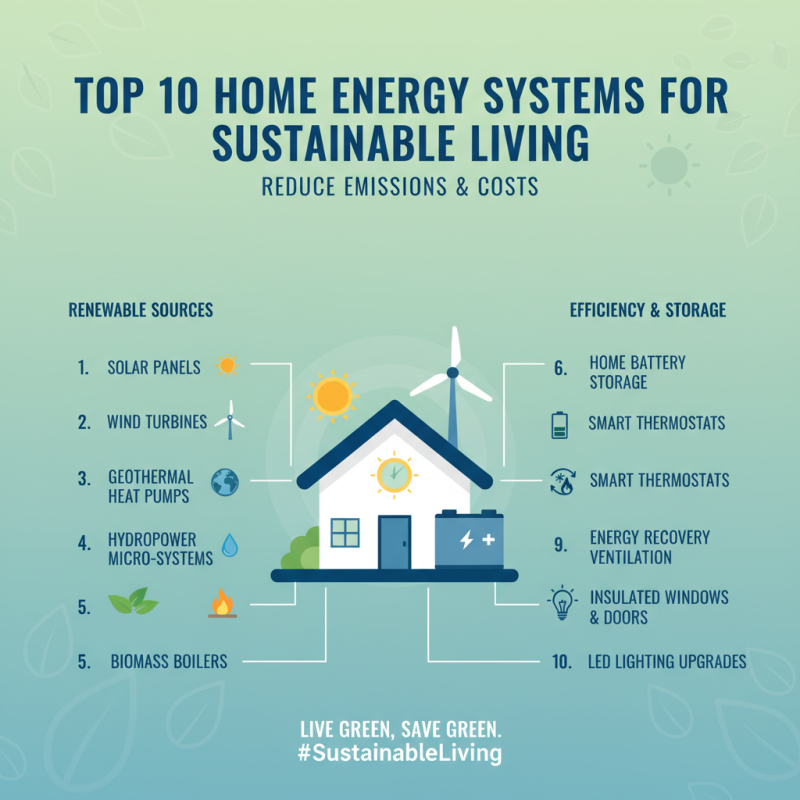
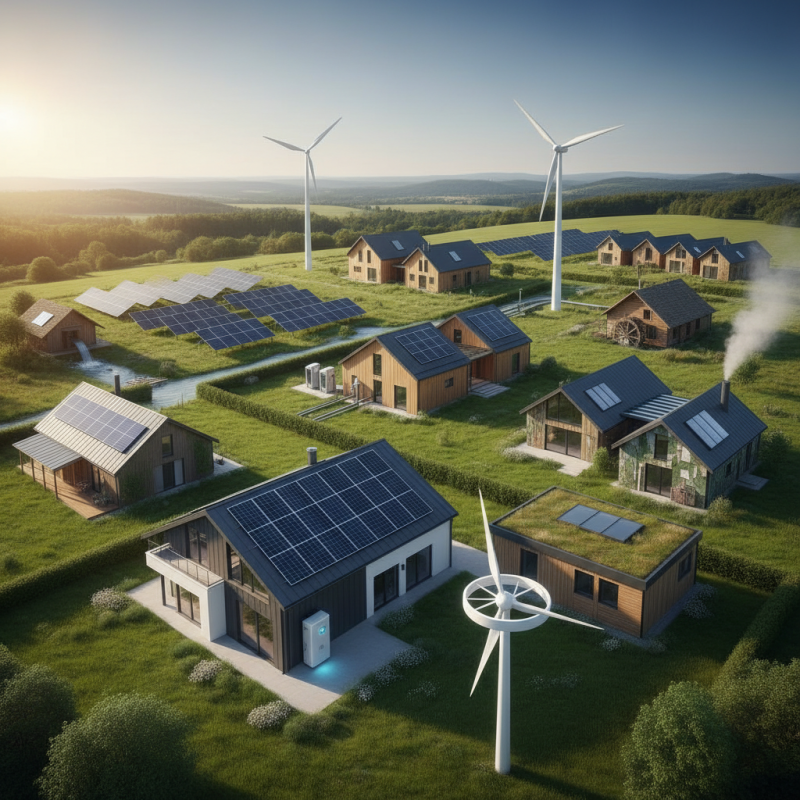
Sustainable living is more than a trend; it’s a necessity. Many households are looking for efficient energy systems. These systems help reduce greenhouse gas emissions. They also lower energy costs over time. Focusing on renewable sources can lead to a significant impact.
Solar panels are often the first choice. They harness sunlight and convert it into usable energy. Wind turbines provide another viable option. They can generate power even in areas with modest wind speeds. Other systems, such as geothermal heating, are less common but effective. Understanding their workings is crucial for homeowners.
Energy storage solutions play a vital role in sustainability. Battery systems allow households to store energy generated during the day for nighttime use. However, the upfront costs can be daunting. Additionally, not all areas have the same accessibility to renewable sources. Major challenges remain in scaling these technologies effectively. It’s essential to evaluate local conditions and regulations carefully.
Understanding Solar Power Systems and Their Efficiency Ratings
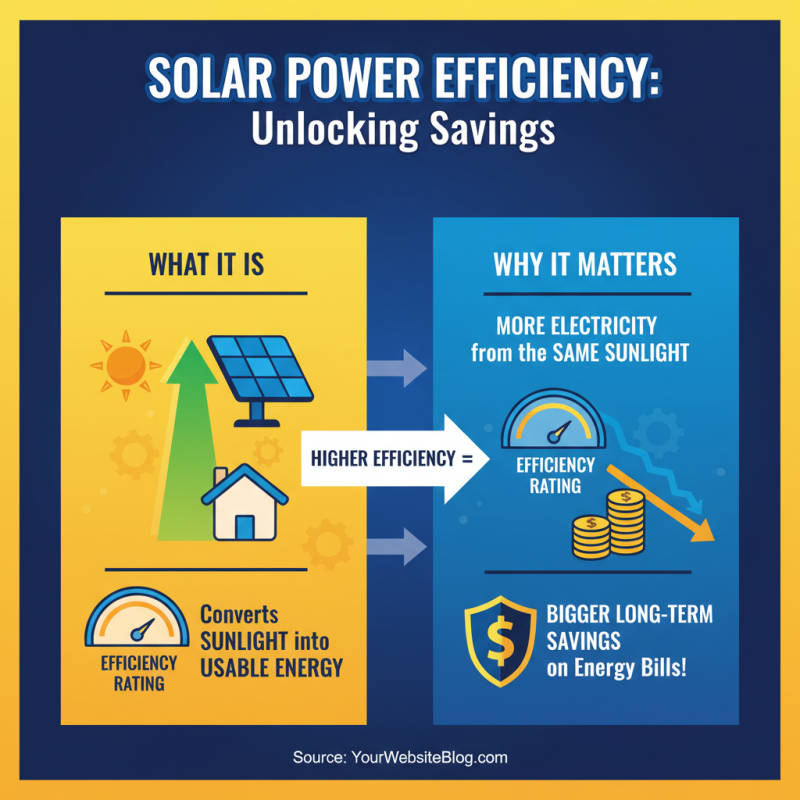
When exploring solar power systems, understanding their efficiency ratings is crucial. These ratings indicate how effectively a solar panel converts sunlight into usable energy. A higher efficiency rating means more electricity generated from the same amount of sunlight. This can lead to significant long-term savings on energy bills.
However, not all solar systems are created equal. Factors like installation quality, location, and shade can affect performance. Even the best technology may underperform if not installed correctly. It's essential to choose a reputable installer with experience in your area. The right installation can overcome common pitfalls like shadowing and suboptimal angles.
The efficiency of solar power systems is a dynamic subject. As technology advances, new models frequently emerge, boasting improved ratings. Yet, what works best for one household may not be suitable for another. Users often need to evaluate their unique energy needs and environmental conditions before making a decision. This thoughtful approach can help maximize the benefits of solar energy in a sustainable living strategy.
Exploring Wind Turbines: Benefits and Energy Output Metrics
Wind turbines have become a popular choice for sustainable living. They harness wind energy and convert it into electricity. Their benefits are numerous, ranging from reduced energy costs to decreased carbon footprints.
When considering wind turbines, it's essential to evaluate energy output metrics. This includes understanding the average wind speeds in your area. Wind turbines perform best in locations with consistent winds. For optimal performance, ensure the turbine is installed in an unobstructed area.
Tips: When selecting a turbine, look for models with higher capacity factors. Research local incentives for renewable energy. Regular maintenance is crucial for longevity and efficiency. Remember, even the best systems require thoughtful planning and installation. Consider the aesthetics and local regulations before installation. Balancing functionality with community impact is vital.
Comparative Analysis of Home Energy Storage Solutions
When exploring home energy storage solutions, it's essential to understand the various options available. Batteries, for instance, are a popular choice. They store energy for later use, ideal for periods when solar power isn't available. However, the lifespan of batteries can vary significantly. Regular maintenance and monitoring are necessary to ensure optimal performance.
Consider the benefits of integrating renewable energy sources. A well-designed system can significantly reduce reliance on the grid. Including solar panels or wind turbines allows for a more sustainable energy approach. It's crucial to evaluate your energy needs before making a decision. What works for one household may not suit another.
Tips: Assess your usage patterns. Knowing peak hours can optimize energy management. Explore community energy initiatives. These programs can provide further insights and support for your sustainable living journey. Finally, don't rush into any investment. Take time to research and understand your options thoroughly.
Top 10 Best Home Energy Systems for Sustainable Living
Innovative Heating Solutions: Geothermal vs. Heat Pumps
Geothermal heating systems and heat pumps represent two innovative approaches for sustainable home energy solutions. Geothermal systems utilize the earth's stable underground temperature to provide efficient heating and cooling. According to the U.S. Department of Energy, geothermal heat pumps can reduce energy consumption by up to 70% compared to conventional systems. This substantial energy savings leads to a significant reduction in greenhouse gas emissions, making geothermal a powerful option for environmentally conscious homeowners.
On the other hand, air-source heat pumps also offer efficiency, especially in moderate climates. These systems extract heat from the outside air, even in colder temperatures. The Energy Efficiency Ratio (EER) for modern heat pumps can reach as high as 15, providing effective heating with lower electricity costs. However, heat pumps may struggle in extreme cold, leading homeowners to reconsider their overall efficiency during winter months.
Both systems have their strengths and weaknesses. Geothermal systems require significant upfront investment and installation time, which can deter some homeowners. Heat pumps are easier to install but may fall short in extreme conditions. The choice should align with individual energy needs, climate, and budget, reflecting that one solution doesn't fit all. Each option warrants careful evaluation and consideration of long-term benefits versus initial costs.
Top 10 Best Home Energy Systems for Sustainable Living
| Energy System |
Efficiency (%) |
Initial Cost ($) |
Annual Savings ($) |
Environmental Impact (CO2 Reduction) |
| Geothermal Heating |
400 |
25,000 |
1,500 |
10 tons/year |
| Air Source Heat Pump |
300 |
15,000 |
800 |
6 tons/year |
| Solar Water Heating |
75 |
5,000 |
600 |
3 tons/year |
| Solar Photovoltaic |
20 |
10,000 |
1,200 |
8 tons/year |
| Biomass Heating |
85 |
7,000 |
500 |
4 tons/year |
| Wind Turbine |
40 |
25,000 |
1,800 |
12 tons/year |
| Hydronic Heating |
95 |
12,000 |
900 |
5 tons/year |
| Micro Combined Heat and Power (CHP) |
85 |
20,000 |
1,200 |
9 tons/year |
| Tidal Energy Systems |
30 |
35,000 |
3,000 |
15 tons/year |
| Electric Resistance Heating |
100 |
4,000 |
300 |
2 tons/year |
Conclusion
In the pursuit of sustainable living, home energy systems play a crucial role in reducing carbon footprints and enhancing energy efficiency. The article provides an overview of the top ten systems, emphasizing the benefits of solar power, wind turbines, and innovative heating solutions such as geothermal and heat pumps. It also discusses energy storage solutions, highlighting their importance in managing energy produced from renewable sources effectively.
Moreover, the integration of smart home technology is explored, showcasing how it can optimize energy management within households. By understanding the efficiency ratings of solar power systems and the energy output of wind turbines, homeowners can make informed decisions about the best home energy systems for their specific needs. This comprehensive analysis aims to guide individuals in selecting the most effective solutions for a sustainable future.