
How to Choose Smart Energy Management Systems
Choosing a smart energy management system is not simply an exercise in comparing software features. It is a practical decision about how buildings, equipment, people, and energy data work together. A reliable system can track electricity use by room, detect unusual demand, and adjust heating or lighting before waste becomes expensive. The best choice also fits the organisation’s existing meters, maintenance skills, cybersecurity controls, and long-term sustainability goals.
Fatih Birol, Executive Director of the International Energy Agency, has stated, “Energy efficiency is the first fuel.” This principle explains why smart energy management deserves careful attention. A strong platform should convert live data into useful actions, such as reducing peak loads at 4 p.m. or identifying an aging motor that runs hot. It should also provide clear reports that facility teams can verify, rather than producing attractive dashboards with little practical value.
Real experience often reveals uncomfortable gaps. Sensors may be poorly positioned. Data may arrive late. Employees may ignore automated recommendations. These problems do not make the technology useless, but they require honest evaluation and gradual improvement. Buyers should examine installation records, system uptime, integration methods, vendor support, and measurable savings from comparable sites. Independent testing and transparent performance evidence matter more than bold marketing claims.
This guide explains how to compare smart energy management solutions with a balanced, evidence-based approach. It considers operational needs, total ownership costs, data quality, user adoption, and future scalability. The right system is not always the most advanced one. It is the one that delivers dependable insight and practical control in the places where energy is actually consumed.
Understanding Smart Energy Management Systems
Understanding Smart Energy Management Systems
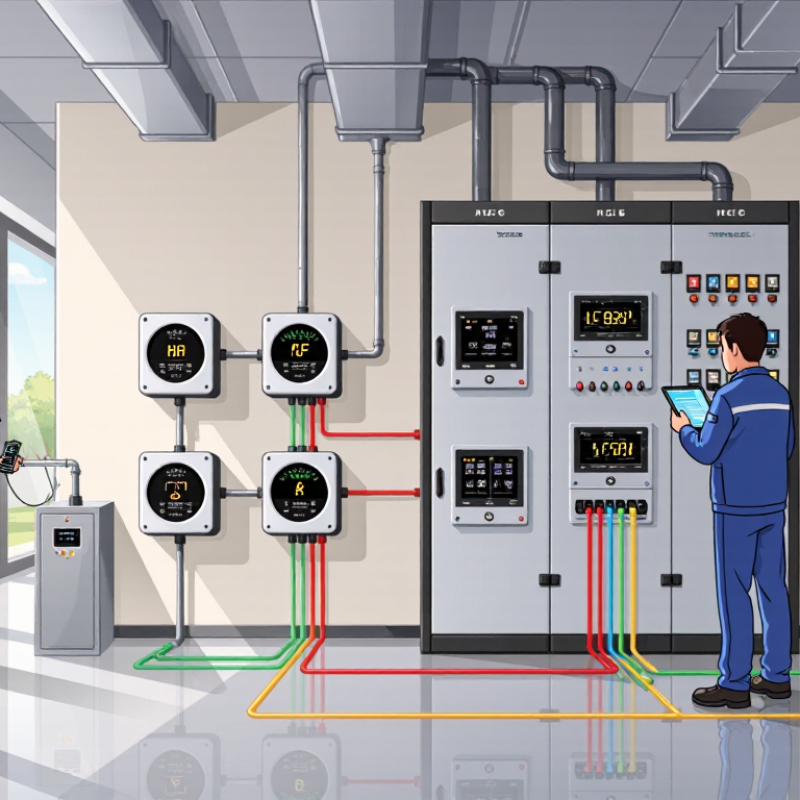
A smart energy management system connects meters, sensors, software, and equipment controls. It shows where energy is used and when demand rises. In a practical site assessment, examine the main meter, heating equipment, lighting, and storage units. A useful system turns these readings into clear actions, such as shifting laundry to cheaper periods or reducing unnecessary cooling. The best choice depends on building size, operating hours, data quality, and staff skills.
Tips: Check whether the system supports open communication standards and manual controls. Ask how often it updates data. Test its alerts using real equipment, not only a presentation screen. Confirm that users can export records for independent review. Strong access controls and regular software updates also protect operational data. Small details matter.
A dashboard may look impressive and still mislead. Poorly placed sensors can produce confident but inaccurate recommendations. Weather changes, occupancy, and unusual equipment use can also distort patterns. Allow time for calibration and compare digital readings with utility bills. Keep a simple fallback plan if the network fails. Automation should support informed decisions, not replace them completely. I would also review results monthly, because the first settings are rarely perfect.
How to Choose Smart Energy Management Systems - Understanding Smart Energy Management Systems
| Evaluation Dimension | What to Examine | Typical Data or Technical Considerations | Why It Matters | Recommended Priority |
|---|---|---|---|---|
| Energy Monitoring | Ability to measure electricity use at building, system, or equipment level |
|
Accurate measurement creates the baseline needed to identify waste, verify savings, and detect unusual consumption. | Essential |
| Data Accuracy | Quality and reliability of meters, sensors, and data processing |
|
Poor-quality data can lead to incorrect operational decisions and unreliable savings calculations. | Essential |
| System Interoperability | Compatibility with existing building and energy infrastructure |
|
Interoperability reduces duplicate equipment, limits vendor lock-in, and supports future expansion. | Essential |
| Demand Management | Tools for controlling peak demand and shifting flexible loads |
|
Reducing or shifting peak loads can lower demand-related charges and ease pressure on electrical infrastructure. | High |
| Renewable Energy Integration | Ability to coordinate on-site generation with facility demand |
|
Coordinated operation can improve the use of locally generated energy and reduce dependence on grid electricity. | High |
| Energy Storage Support | Management of batteries or other electrical storage assets |
|
Effective storage management helps balance renewable generation, demand, tariffs, and backup requirements. | Situation-dependent |
| Automation and Control | Capacity to convert insights into safe, automated actions |
|
Automation delivers greater and more consistent savings than monitoring alone, provided that safeguards are available. | High |
| Analytics and Reporting | Quality of dashboards, trends, benchmarks, and performance reports |
|
Clear analytics help operators prioritize corrective actions and communicate progress to decision-makers. | High |
| Fault Detection | Ability to recognize abnormal operation and equipment-related waste |
|
Early alerts can reduce energy waste, avoid comfort problems, and support preventive maintenance. | High |
| Cybersecurity | Protection of connected devices, communications, and operational data |
|
Energy systems can affect physical operations, so unauthorized access or data manipulation must be controlled. | Essential |
| Scalability | Ability to expand from one site or system to multiple facilities and assets |
|
A scalable system avoids costly replacement when energy-management requirements become more complex. | High |
| Cloud and Edge Architecture | Where data processing and control functions are performed |
|
A balanced architecture can provide centralized analytics while preserving essential local control and continuity. | High |
| User Experience | Ease of use for facility managers, operators, analysts, and executives |
|
Systems that are easy to understand and operate are more likely to produce sustained energy improvements. | Medium to High |
| Cost and Payback | Total financial impact over the expected operating period |
|
Evaluating total cost of ownership prevents a low initial price from hiding higher long-term expenses. | Essential |
| Measurement and Verification | Methods for proving whether energy projects achieve expected results |
|
Reliable verification supports investment decisions and distinguishes genuine savings from changes in operating conditions. | High |
| Implementation Support | Resources available for deployment, commissioning, training, and maintenance |
|
Strong implementation practices reduce commissioning problems and improve the likelihood of long-term adoption. | High |
Related Posts
-

Smart Home Energy Solutions for Global Buyers in 2026?
-
Top Solar Power Electronics Manufacturers for Global Buyers
-

How to Achieve Smart Energy Management for Businesses?
-
China Top 10 Low Voltage Battery Systems Manufacturers
-
Why Choose Advanced Inverter Technology for Global Sourcing?
-

How to Choose the Right Off Grid Energy Systems for Your Needs?