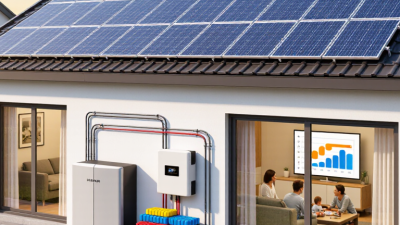
Choosing the right home energy systems starts with the home itself, not a product brochure. A house in a sunny, mild region has different needs from a drafty home facing cold winters and frequent outages. Begin by reviewing utility bills, roof shade, insulation, heating equipment, and typical evening demand. These details help reveal whether solar panels, a battery, a heat pump, or efficiency upgrades deserve attention.
Energy-efficiency expert Amory Lovins, co-founder of the Rocky Mountain Institute, is widely associated with the phrase, “Efficiency is the mother of all fuels.” The idea is practical: reducing wasted energy can lower the size and cost of equipment a household needs. A well-sealed attic or upgraded thermostat may matter more than adding a larger battery. Small details count.
Compare systems by their full costs, expected output, maintenance needs, warranty terms, and compatibility with existing equipment. Ask installers to explain assumptions behind savings estimates, including electricity rates and seasonal performance. A tidy payback calculation can still miss changing usage or future repairs. That deserves a second look. Check local incentives through reliable, current sources, and request more than one written proposal. No system is perfect.
This guide explores how to weigh comfort, resilience, budget, and emissions when choosing home energy systems. The best fit is not always the newest technology. It is the combination that works reliably for your household, climate, and plans—and remains understandable after the sales visit ends.
Start with your household’s actual energy use, not a system’s advertised capacity. Review 12 months of utility bills to spot seasonal changes. Winter heating or summer cooling can drive consumption far above the monthly average. Small details matter. Note how many people live at home and when they usually use appliances.
Look beyond total consumption. If available, check hourly data from your utility or a home energy monitor. A kettle, oven, and clothes dryer running together can create a brief evening peak. Record larger loads, such as electric heating, water heating, or vehicle charging, and note when they operate. A simple notebook helps. Estimates can be imperfect, especially when routines change, so avoid treating one unusual month as typical.
Next, consider what you want the system to do: lower bills, provide backup power, or support more electric appliances. These goals can point toward different equipment sizes and storage needs. Check the home’s insulation, roof condition, and available installation space, too; energy wasted through drafts may be better addressed before adding capacity. For a more dependable assessment, ask a qualified energy professional to review your usage data and the home itself. An estimate is a starting point, not a promise.
A grid-connected home takes electricity from the local network. It is usually simple to operate, and power remains available after sunset. The trade-off is ongoing dependence on utility rates. A rooftop solar system generates electricity during daylight, often covering appliances such as refrigerators and washing machines. Output changes with season, roof direction, and shade. A tree shadow across a few panels can matter more than expected.
Solar paired with a home battery stores some daytime power for evening use or brief outages. Batteries add cost and eventually need replacement, so they are not an automatic upgrade. Check your actual evening use before choosing one. An off-grid system combines generation and storage, but needs careful sizing for cloudy stretches and winter demand. It may also require a backup source. Heat pumps are different: they do not generate electricity, but move heat efficiently for heating and cooling. Their performance depends on insulation, climate, and equipment sizing. A cold bedroom or a high winter bill is useful evidence; still, one season of data can mislead.
| Comparison Factor | Grid Electricity | Grid-Tied Solar PV | Solar PV with Battery Storage | Off-Grid Solar with Storage | Small Wind System |
|---|---|---|---|---|---|
| How It Works | Electricity is supplied through the local utility network. | Solar panels generate electricity for the home; the grid supplies power when solar production is insufficient. | Solar panels supply the home and charge a battery; stored electricity can be used later. | Solar panels and batteries supply the home without a normal connection to the utility grid; a generator may provide backup. | A turbine converts wind into electricity, usually alongside batteries, an inverter, or another backup source. |
| Typical Upfront Cost | Usually low if a grid connection already exists; connection or service charges may apply. | Moderate to high, depending on system size, roof work, permits, and local installation costs. | High; adding a battery generally increases the cost compared with solar panels alone. | Very high in many cases because the system must include enough generation and storage to serve the home independently. | Moderate to high; tower, site preparation, permitting, and electrical equipment can add substantial cost. |
| Power During a Grid Outage | Usually unavailable unless the home has a separate backup system. | Typically unavailable during an outage: standard grid-tied inverters shut down for utility-worker safety. | Can provide backup if the system includes outage-capable equipment and is configured to isolate from the grid. | Can continue operating independently when the system is correctly sized and functioning. | May generate electricity during an outage if paired with suitable controls and storage; output depends on wind conditions. |
| Reliability Factors | Depends on grid reliability and local utility infrastructure. | Solar output varies with daylight, weather, shading, and season; the grid helps cover shortfalls. | Solar output and battery capacity affect availability; batteries have finite storage and may need grid charging. | Requires careful sizing for seasonal production, battery capacity, peak loads, and periods of low sunlight. | Wind speed and consistency are critical; output can vary considerably by location and time. |
| Best-Suited Homes | Homes with dependable grid access and no requirement for on-site generation or backup. | Homes with suitable, unshaded roof or ground space and access to a grid connection. | Homes seeking solar generation plus backup power or greater control over when solar electricity is used. | Remote homes with limited or costly grid access, where a suitable site and sufficient budget are available. | Rural or exposed properties with strong, consistent winds and enough space for a properly sited turbine. |
| Space and Site Needs | No on-site generation space is needed. | Needs suitable roof or ground area with adequate sunlight and minimal shading. | Needs solar-panel space plus a suitable, protected location for the battery and related equipment. | Needs enough solar area, space for batteries and equipment, and often room for backup generation. | Needs a suitable open site, adequate separation from obstructions, and a tower location that meets local rules. |
| Maintenance | Little home-system maintenance; utility infrastructure is maintained by the provider. | Generally low; occasional inspection and removal of debris may be appropriate. | Solar maintenance is generally low; the battery and inverter may require monitoring and eventual replacement. | Requires monitoring and maintenance of panels, batteries, inverters, and any backup generator. | More moving parts than solar PV; regular inspection and maintenance of the turbine and tower are important. |
| Main Advantage | Simple access to electricity without purchasing generation equipment. | Generates electricity on-site while retaining the grid as a source of backup power. | Combines on-site generation with stored electricity and potential outage support. | Can supply a home where utility-grid service is unavailable or impractical. | Can complement solar generation, especially where wind is available at different times. |
| Main Trade-Off | Continued dependence on utility service and local electricity rates. | Usually does not provide backup power during an outage without additional equipment. | Higher initial cost; usable backup depends on battery size, system design, and household loads. | Higher cost and greater need for careful planning; prolonged low-generation periods can be challenging. | Highly site-dependent, with permitting, noise, visual, and maintenance considerations to assess. |
Evaluate Site Conditions, Efficiency, and Compatibility
A system that performs well on paper may disappoint at home. Roof direction, nearby trees, and seasonal shade all affect solar output. Note where shadows fall at 9 a.m. and late afternoon. Also check roof age, attic ventilation, and available space for equipment. A professional site assessment can identify structural or electrical limits before installation.
Compare efficiency ratings, but read the conditions behind them. A heat pump’s performance changes with outdoor temperature, insulation, and ductwork. Review utility bills across different seasons to understand when your home uses the most energy. Small details matter: a drafty hallway can make a well-sized system feel inadequate. Estimates can be wrong, too. Treat them as planning tools, not promises.
Compatibility deserves equal attention. Check whether new equipment can work with your existing heating, cooling, electrical panel, and controls. If you are considering battery storage, compare its usable capacity with your evening demand and likely outage needs. Ask an installer to explain expected performance, maintenance, and any required panel upgrades in writing. Be wary of a setup that looks impressive but ignores your daily routines. That is an easy mistake to make. A careful fit may matter more than the highest rating.
Compare complete installed prices, not just equipment costs. A solar array, heat pump, or battery may need electrical upgrades, new wiring, or roof repairs. Ask for an itemized quote showing equipment, labor, permits, and optional work. Small details matter. A panel upgrade can change the budget by thousands of dollars.
Then estimate incentives carefully. Rebates, tax credits, and utility programs vary by location, income, equipment, and installation date. Check current government and utility sources before counting them as savings. Some incentives arrive later, so they may not reduce the cash needed upfront. Compare financing fees and interest, too. A low monthly payment can hide a higher total cost.
Long-term savings depend on your actual energy use, local rates, maintenance, and equipment life. Use twelve months of utility bills when estimating demand, including winter heating or summer cooling. Ask whether projections assume rising electricity prices; that assumption can make savings look better than they feel. Batteries add resilience, but may not pay back quickly without suitable rates or frequent outages. The spreadsheet will still be imperfect. Leave room for repairs, changing routines, and a system that performs below its estimate.
Choosing a home energy system begins with the needs of the household, not the equipment catalog. Review a year of utility bills and note when electricity use peaks. A family using power after sunset may value battery storage differently from a home that uses most energy during daylight. Roof shade, available space, local weather, and the condition of the electrical panel also affect which options are practical. Small details matter.
Ask an experienced installer to assess the home and explain the expected output, limitations, and estimated costs. Compare itemized proposals, including equipment, labor, permits, and any panel upgrades. Ask how the system connects to the grid and what happens during an outage. Do not treat projected savings as guaranteed; they depend on energy prices, usage, and site conditions.
I used to focus too heavily on the advertised payback period. That number alone leaves out useful context.
Plan maintenance before installation. Find out which tasks the homeowner can handle and which require a qualified technician. Solar panels may need occasional cleaning, while batteries and inverters benefit from periodic checks. Keep the manuals, warranties, and inspection records in one place. Ask how performance alerts work and whom to contact if production drops. A maintenance schedule can feel like one more chore, but neglecting it may make small problems harder to spot.