
How to Choose Energy Conversion Systems for Your Business?
Choosing energy conversion systems is not merely a technology decision; it can shape operating costs, reliability, and future flexibility. For a bakery, heat demand may rise sharply before dawn, while an office building may need steady electricity and cooling throughout the day. A system suited to one site may perform poorly at another. The difference often starts with the business’s actual energy-use pattern.
Begin with hourly demand data, available energy inputs, and the space and infrastructure already on site. Compare efficiency at both typical and peak loads, not just the best figure on a product sheet. Details matter. I would not trust a headline efficiency number alone. Ask how the equipment performs during seasonal changes, partial loads, and planned maintenance. A system that looks efficient in a presentation may be less practical when a component needs servicing or local fuel supply varies.
Then compare total ownership costs, including installation, maintenance, downtime, and expected equipment life. Request clear assumptions from suppliers, and have a qualified engineer review performance estimates and integration needs. The right choice should support business goals without relying on unrealistic savings forecasts. Still, comparisons are not always tidy: future energy prices and demand can be difficult to predict. Leave room for uncertainty. A careful decision balances measurable performance with operational fit, and revisits the assumptions as the business changes.
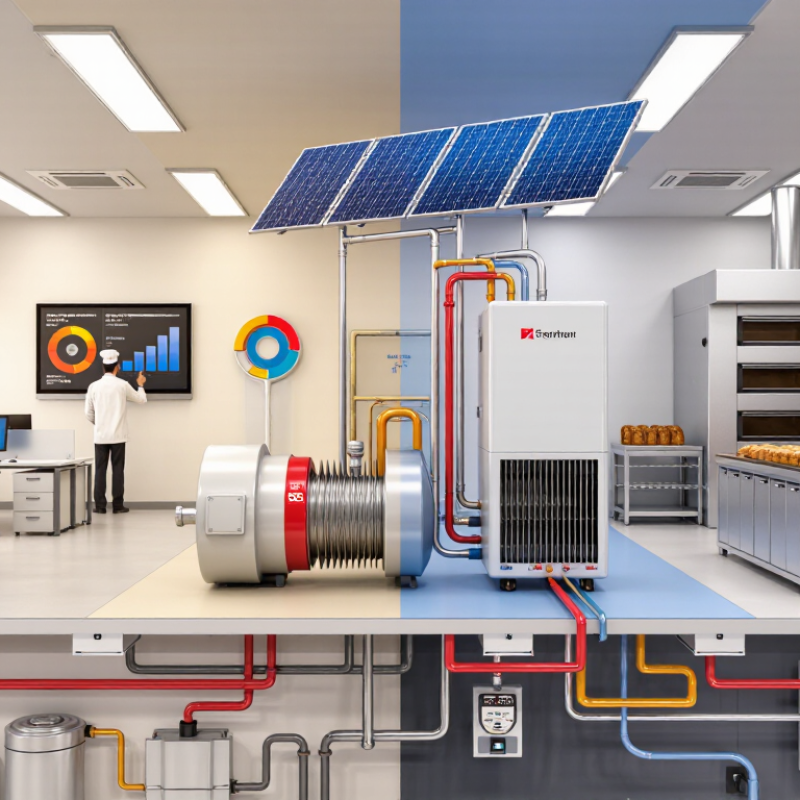
Define Business Energy Needs and Operating Constraints
Before comparing energy conversion systems, map how your business uses energy across a normal week. Gather at least twelve months of utility bills and interval-meter data, if available. Record electricity, fuel, heat, and steam demand separately. Note peak loads, startup surges, and overnight baseloads. A cold-storage site may need steady power even when staffing falls. Small details matter.
Define which operations can tolerate interruptions and which cannot. A short outage may stop a production line, spoil temperature-sensitive stock, or disrupt customer service. Record required run hours, seasonal changes, and planned business growth. Be specific. A system sized only for average demand may struggle during a hot afternoon or a busy shift. Check practical limits too: available floor or roof space, ventilation, noise tolerance, access for maintenance, and connection capacity.
Review how new equipment would fit existing workflows. Consider who will monitor it, how often service can be scheduled, and whether staff need training. Compare those demands with your actual budget and operating capacity, not an ideal week. A spreadsheet can look precise while hiding a weak assumption. Allow for uncertainty. If bills lack detail or production varies sharply, treat early estimates as provisional and arrange a site assessment before choosing system size.
| Assessment Dimension | What to Measure | Illustrative Planning Data | Why It Matters for System Selection |
|---|---|---|---|
| Annual electricity use | Electricity consumption from utility bills or interval-meter records, in kWh or MWh per year. | 250 MWh/year | Establishes the facility’s energy baseline and helps size options such as solar PV, storage, or on-site generation. |
| Peak electrical demand | Highest recorded demand, preferably using 15-minute or 30-minute interval data. | 80 kW peak demand | Peak demand can affect equipment capacity, utility charges, backup sizing, and the value of load management. |
| Operating schedule and load profile | Hours of operation, weekdays versus weekends, seasonal shutdowns, and the timing of major loads. | 10 hours per day, 5 days per week; most demand occurs from 7:00 a.m. to 5:00 p.m. | Systems that generate energy at the same time it is used may reduce grid purchases; storage can shift energy to other hours. |
| Thermal energy demand | Annual fuel use and useful heat demand for space heating, hot water, drying, or process heat. | 400 MWh of useful heat per year | Heat pumps, boilers, solar thermal, and combined heat and power have different efficiencies and operating requirements. |
| Required heat temperature | Supply and return temperatures, process temperature, and whether heat demand is continuous or intermittent. | Hot water: approximately 60°C; process heat: up to 150°C | Lower-temperature heating is generally more suitable for heat pumps. Higher-temperature processes may require other technologies or hybrid systems. |
| Existing fuels and equipment | Fuel type, annual consumption, equipment age, rated capacity, and maintenance condition. | Natural gas boiler; 500 MWh of fuel input per year; 70% seasonal efficiency | Existing equipment can affect conversion costs, achievable efficiency, fuel-switching requirements, and project timing. |
| Critical loads and resilience | Loads that must remain operational during an outage, their kW demand, and required backup duration. | 25 kW of critical load for 4 hours | Defines the required capacity of batteries, generators, or other backup systems. A grid-connected system may not provide power during an outage without suitable controls and equipment. |
| Available site space | Usable roof or ground area, shading, structural capacity, and space for plant equipment or fuel storage. | Approximately 600 m² of unshaded roof area | Limits the practical size of solar arrays and may determine where conversion equipment, batteries, or thermal systems can be installed. |
| Grid connection limits | Import capacity, export permission, transformer capacity, and utility interconnection requirements. | Existing service: 100 kW; export capacity not yet confirmed | Connection restrictions can limit on-site generation or electrification and may require utility upgrades or export controls. |
| Site and environmental constraints | Noise limits, ventilation, equipment access, water availability, heat rejection, and local permitting requirements. | Outdoor equipment must meet a 55 dBA nighttime boundary limit | These constraints can rule out otherwise suitable equipment or require acoustic treatment, additional space, or design changes. |
| Energy prices and tariffs | Electricity and fuel rates, demand charges, time-of-use periods, and contract terms. | Electricity: $0.14/kWh average; demand charge: $12/kW-month | Tariff structure influences operating savings, storage value, payback, and the most economical operating schedule. |
| Emissions and business targets | Current energy-related emissions, reporting boundaries, and reduction targets or deadlines. | Target: reduce operational energy emissions by 30% within 5 years | Helps compare systems by emissions as well as cost, and can influence fuel choices and project sequencing. |
Illustrative planning inputs only; they describe a sample facility and are not universal benchmarks. Use utility bills, interval-meter data, equipment records, and site surveys to confirm actual requirements before selecting or sizing a system.
Related Posts
-

Why Power Electronics Solutions Are Essential for Modern Technology?
-

Top 10 Tips for Choosing Renewable Energy Systems for Your Business?
-

2026 Best Energy Efficiency Solutions for Global Buyers?
-
How to Choose Distributed Energy Systems in 2026?
-

Top Digital Electric Mobility Solutions for Global Buyers?
-

Top 10 Energy Efficiency Solutions for Global Buyers?